
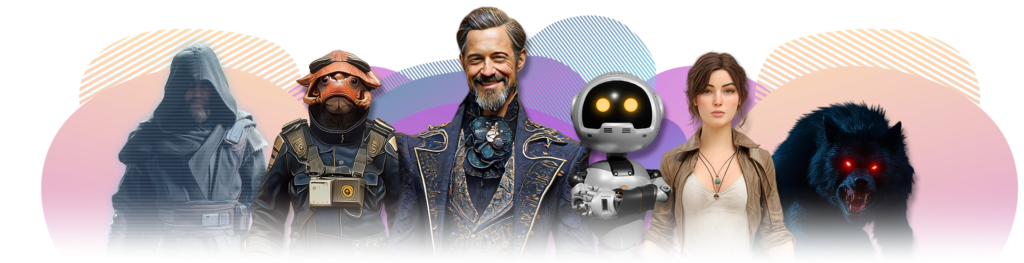
Learning, Brought to Life
Great learning starts with more than content. It starts with understanding the people, the problem, and the experience that will make the learning stick.
The case study below highlight selected projects delivered by members of the HumanKind Learning team in previous roles. Client and program identifiers have been removed, but the challenges, creative approaches, delivery methods, and results are real.
From animated mystery adventures to immersive theme parks to sensitive, survivor-informed storytelling, each project started with the same question:
What experience will help this learner understand, remember, and act?
Case Study 2 : Cost Management Credential
Project Snapshot
Development: Approximately 10 months
Course Length: Just over 1 hour
Core Team: 6-person multidisciplinary production team
Delivery: Custom HTML5 / SCORM learning experience
Accessibility: Section 508 / WCAG-aligned development
Recognition: National industry award recipient
Experience That Built HumanKind
This project was completed by HumanKind Learning team members in prior professional roles, before HumanKind Learning was formed. It is presented here to demonstrate the experience, responsibilities, and capabilities those team members now bring to HumanKind Learning.
The Challenge
Cost management is important.
It is not, however, a phrase that immediately makes most people think, theme park.
That was part of the opportunity.
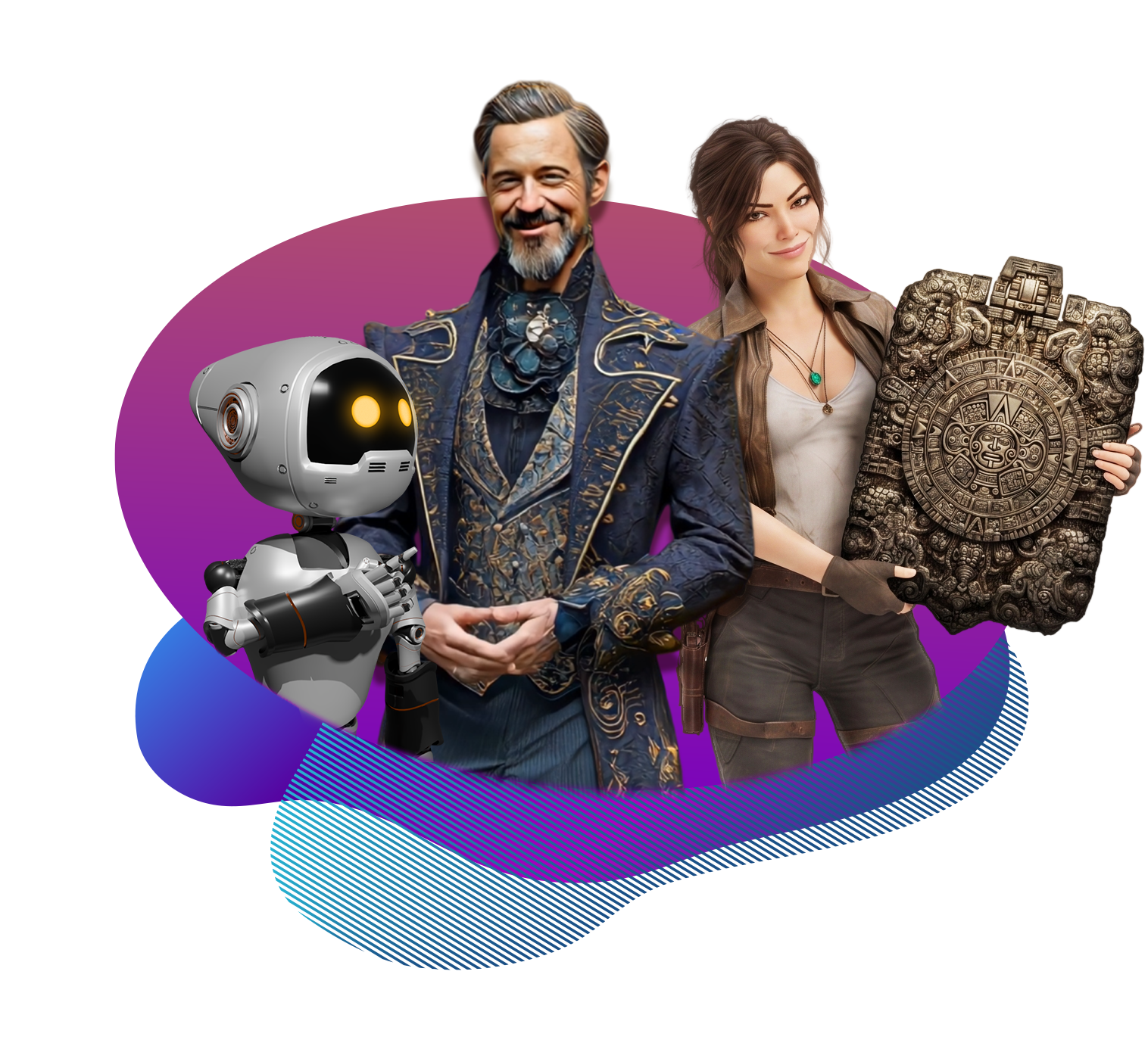
The credential covered sophisticated concepts involving cost analysis, program decisions, data, processes, and financial reasoning. Learners needed more than definitions and formulas. They needed to understand how individual concepts connected, why they mattered, and how they influenced real-world decisions.
Presenting that material as a sequence of charts, terminology, and calculations would have been accurate.
It also would have made a demanding subject feel even more demanding.
The challenge was to create an experience that gave highly technical content structure, personality, and a genuine sense of progression without sacrificing the rigor expected of a professional credential.
The HumanKind Team Member Approach
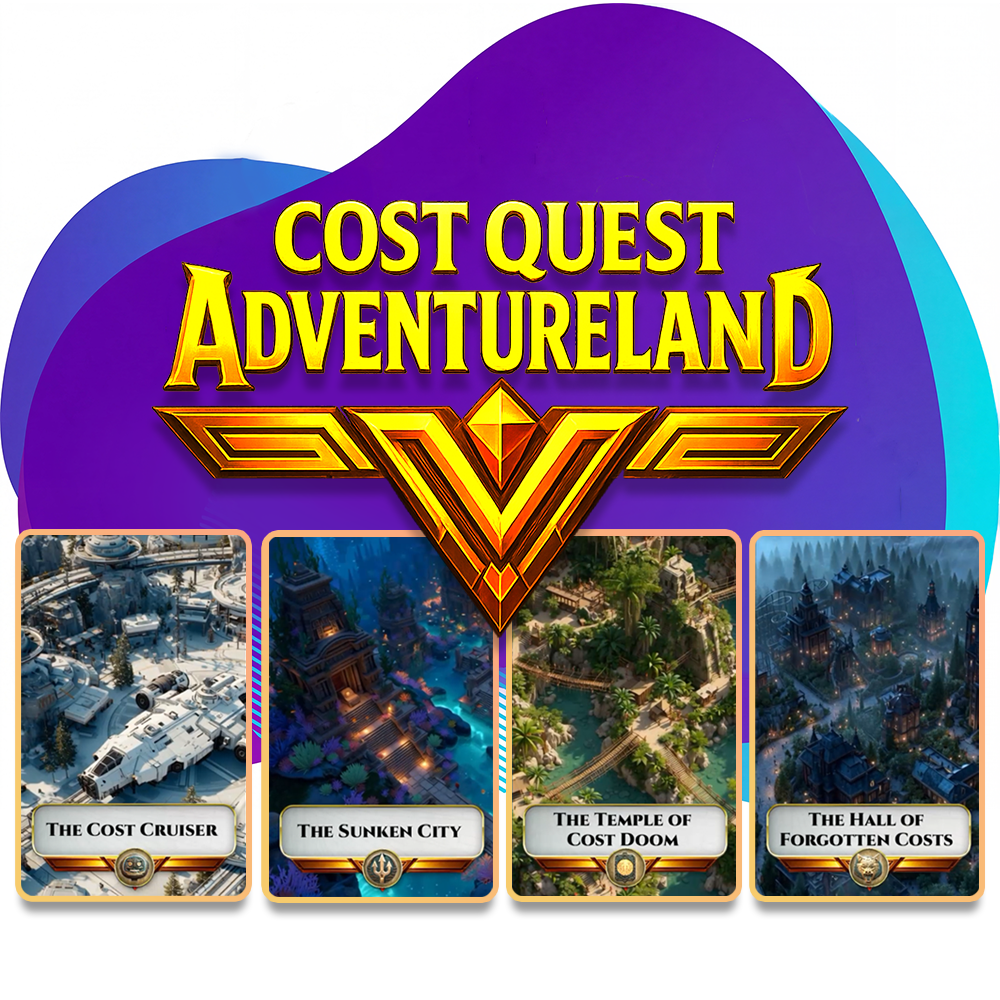
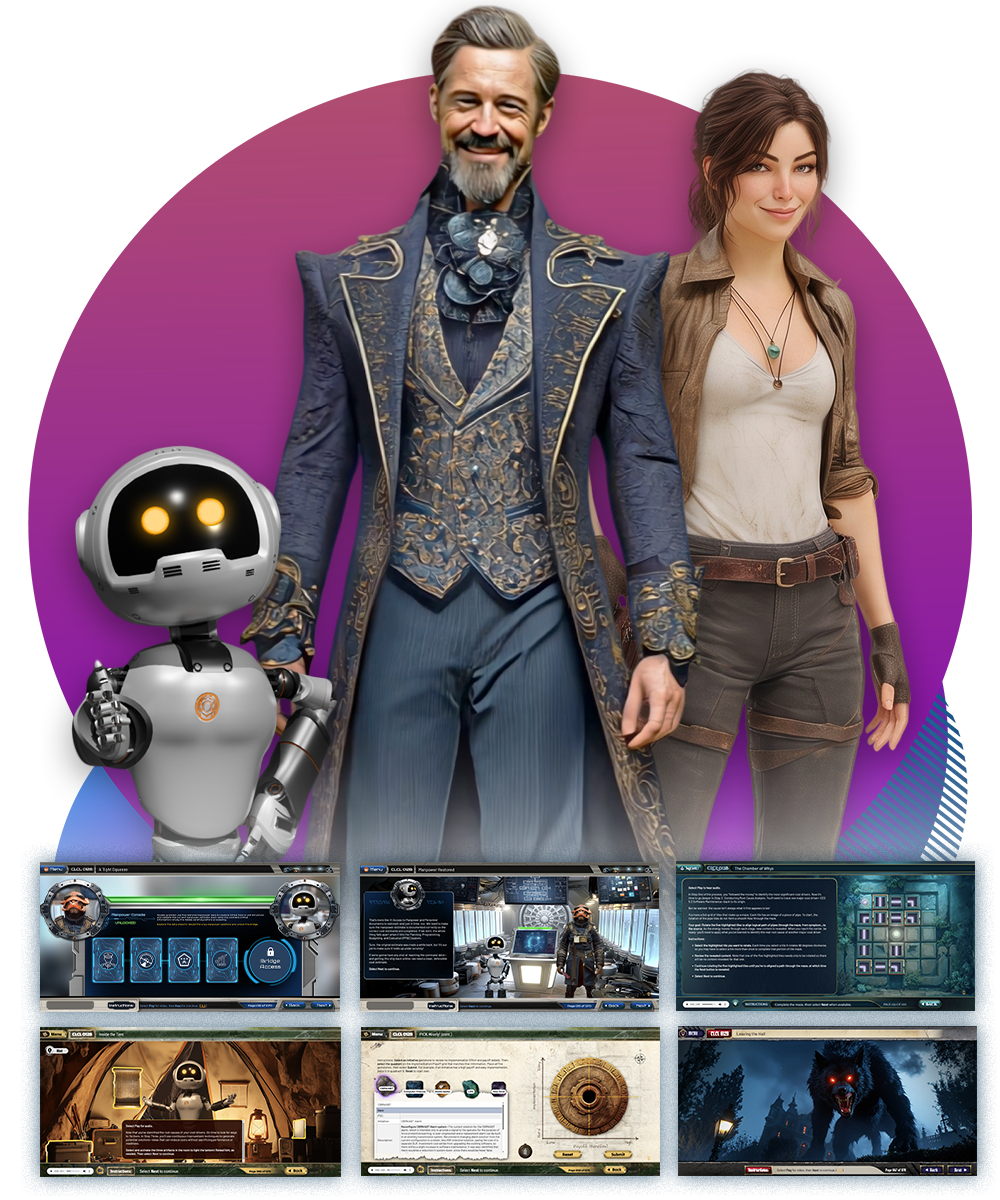
The answer became Adventure Land, a fictional theme park built around the world of cost management.
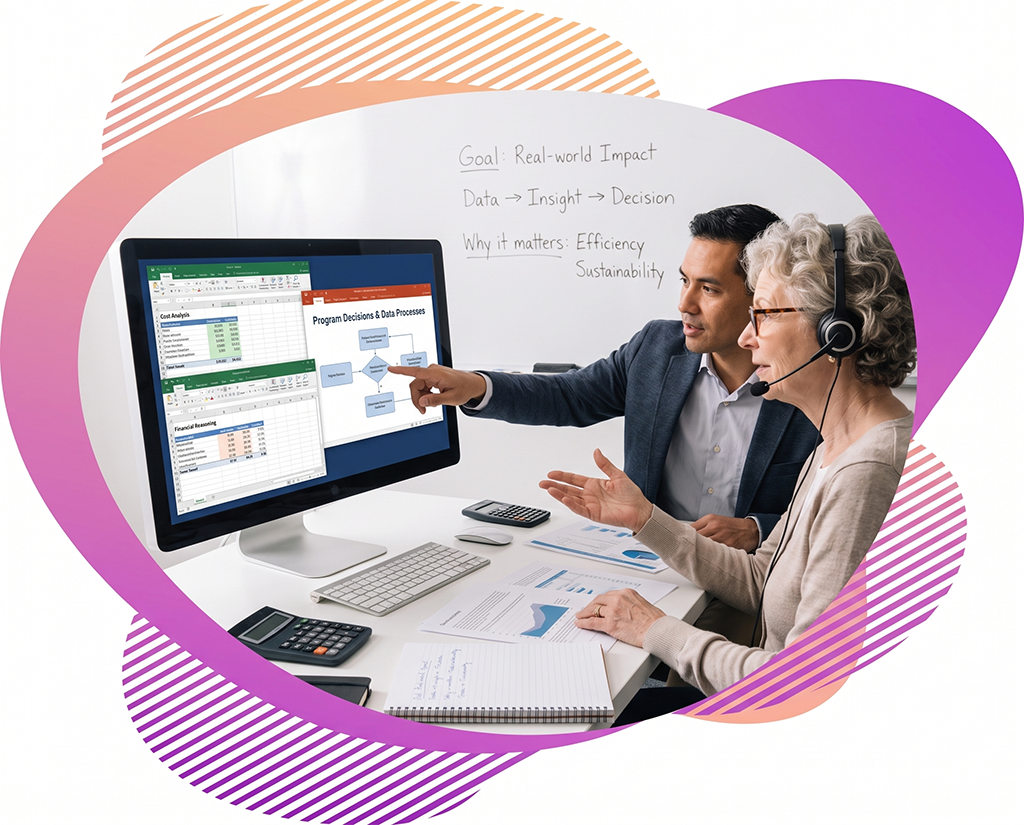
Learners entered the park accompanied by a mentor who served as their guide and traveling companion throughout the experience.
Instead of progressing through conventional modules, learners traveled to differently themed attractions and rides. Each destination represented a different part of the cost-management journey, with its own environment, visual personality, challenges, and interactions.
The theme park created a storytelling framework flexible enough to make every section feel fresh while still connecting everything into one larger experience.
A new topic did not mean opening another chapter.
It meant arriving at the next attraction.

Learning Through the Park
Each area of Adventure Land was designed around the concepts being taught.
The environments shifted in mood, architecture, visual style, and interaction while still belonging to the same overall world. That gave the team opportunities to use metaphor, visual storytelling, humor, and exploration to make abstract ideas easier to understand and remember.
The mentor character provided continuity throughout the journey.
Rather than functioning as a narrator who simply delivered information, the mentor traveled with the learner, framed new challenges, helped connect concepts, and provided a human presence as the learner moved deeper into the material.
Application activities were integrated into the attractions themselves.
Learners explored, solved problems, interpreted information, and applied cost-management concepts as part of progressing through the park.
The goal was never to disguise serious content as entertainment.
It was to create a world where the content had someplace to live.

Building Adventure Land
Creating the experience required much more than applying a theme to a traditional course.
The team designed a complete visual world around the learning architecture.
Four major themed environments were developed within the larger Adventure Land experience, each with its own visual identity while maintaining a consistent overall design language.
Custom environments, attraction concepts, interface elements, animation, 3D reference models, compositing, and interactive components were created specifically to support the learning.
AI-assisted visual production was incorporated selectively where it could accelerate experimentation and expand creative possibilities, while the final visual direction and production remained under the control of the creative team.
A custom HTML-based development framework also allowed the team to build interactions around the experience rather than forcing the experience into the limitations of a predefined authoring-tool template.
What We Built
The completed credential included:
- A continuing theme-park narrative
- A recurring mentor companion who traveled with the learner
- Multiple distinctly themed attractions and learning environments
- Four major visual worlds within the overall experience
- Scenario-based and gamified application activities
- Custom environmental and attraction design
- 3D reference modeling and visualization
- Animation and cinematic compositing
- AI-assisted visual development
- Custom interface and experience design
- Purpose-built interactive components
- Accessible interaction patterns and media
- Standards-based SCORM delivery
- A custom HTML-based development framework designed for accessibility and maintainability
Every environment served both a creative and instructional purpose.
The spectacle created curiosity.
The interaction created practice.
And the journey helped learners understand how individual concepts fit into something larger.

How HumanKind Team Members Delivered It
Adventure Land was developed over approximately 10 months by a six-person core team consisting of project management, instructional design, creative direction, technical development, and two senior visual designers.
The compact multidisciplinary structure allowed instructional, creative, and technical development to happen in parallel.
The instructional designer worked directly with the creative and development team as concepts were translated into environments, metaphors, activities, and interactions. Creative direction maintained consistency across the different attractions while giving each destination its own personality and visual identity.
Project management coordinated client reviews, content approvals, schedule, production dependencies, accessibility, quality assurance, and LMS implementation throughout the development cycle.
Because the experience relied heavily on custom visual and interactive design, continuous collaboration was essential.
A creative idea had to work instructionally.
An instructional idea had to work technically.
And all of it had to remain usable, accessible, maintainable, and aligned with the client’s objectives.
The Result
The finished credential transformed a highly technical subject into a connected journey through a world designed specifically around the learning.
The Adventure Land concept created room for humor, discovery, visual variety, and memorable interaction without sacrificing the rigor of the content.
HumanKind team members designed a project that received national industry recognition for excellence in digital learning and demonstrated how custom storytelling and experiential design can make complex technical material more approachable without oversimplifying it.
More importantly, it reinforced an idea that continues to shape how we design learning:
Complex material does not become more meaningful because we put more information on the screen.
Sometimes you have to build learners a world where the information finally makes sense.